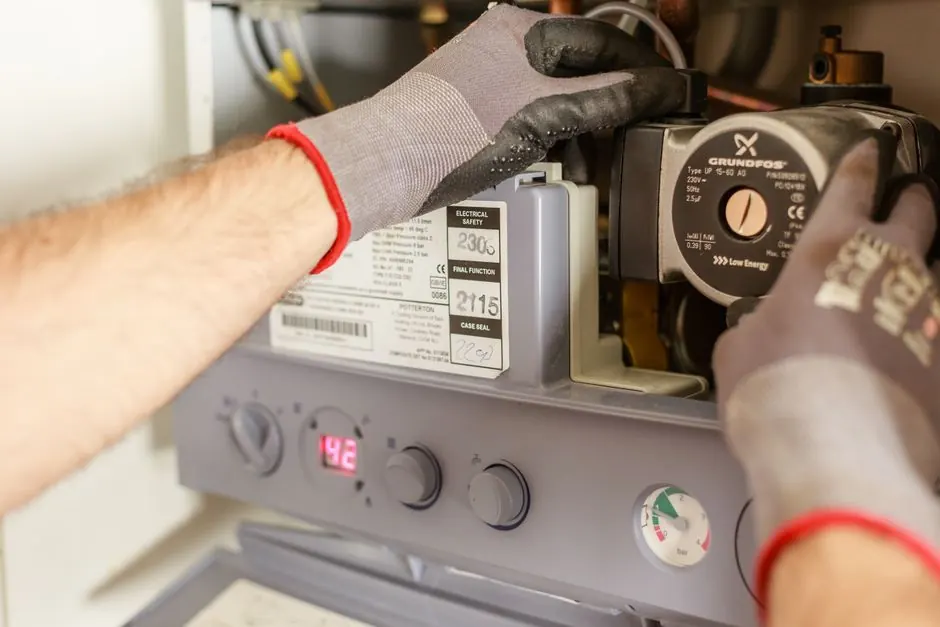
Experiencing a lack of hot water can be frustrating, especially when you rely on it for daily tasks. The reasons for a water heater not producing hot water can vary from simple issues to more complex problems. In this post, we'll explore common causes and troubleshooting steps to help you restore hot water in your home.
Understanding the underlying issues can save you time and money. Let's dive into the most common reasons your water heater might not be functioning as it should.
Common Reasons for Lack of Hot Water
There are several reasons why your water heater might not be producing hot water. Here are the most frequent culprits:
- Power supply issues
- Thermostat malfunctions
- Heating element failures
- Water supply problems
- Age of the water heater
Checking the Power Supply
One of the first things to check is the power supply to your water heater. If you have an electric water heater, ensure that it is receiving power. Check the following:
- Verify that the circuit breaker hasn't tripped.
- Inspect the power cord for any visible damage.
- Make sure the unit is plugged in securely.
If your water heater is gas-powered, check the gas supply. Ensure the gas valve is open and that there are no issues with the gas line.
Inspecting the Thermostat
The thermostat is essential for regulating the temperature of your water heater. If it's malfunctioning, it may not heat the water to the desired temperature. Here's how to inspect it:
- Locate the thermostat on your water heater.
- Check the temperature setting; it should be set between 120°F and 140°F.
- If the setting is correct, consider replacing the thermostat if it appears damaged or unresponsive.
For those in Virginia Beach, we often see thermostat issues in older units.
Examining the Heating Elements
Heating elements are critical for heating the water in electric water heaters. If one of the elements fails, it can prevent hot water from being produced. To check the heating elements:
- Turn off the power to the water heater.
- Remove the access panels to expose the heating elements.
- Use a multimeter to test for continuity. If there's no continuity, the element needs replacement.
Regular maintenance can help prevent heating element failures. If you need assistance, consider our Water Heater Maintenance Services in Virginia.
Assessing the Water Supply
Sometimes, the issue may not be with the water heater itself but with the water supply. Check for:
- Closed valves leading to the water heater.
- Any leaks or blockages in the pipes.
- Water pressure issues that may affect hot water availability.
In areas with hard water, sediment buildup can also be a problem. This can affect heating efficiency and should be addressed through regular flushing.
Common Mistakes to Avoid
When troubleshooting your water heater, be aware of common mistakes that can lead to further issues:
- Ignoring warning signs like strange noises or leaks.
- Attempting repairs without turning off the power or gas supply.
- Neglecting to consult the user manual for troubleshooting tips.
When to Call a Professional
If you've gone through these steps and still don't have hot water, it may be time to call a professional. Issues like faulty wiring, gas leaks, or complex repairs should be handled by trained technicians. At Water Heater Repair, we specialize in diagnosing and repairing water heater issues efficiently.
Frequently Asked Questions
Why is my water heater making strange noises?
Strange noises can indicate sediment buildup, which can affect heating efficiency. Flushing the tank may resolve this issue.
How often should I flush my water heater?
It's recommended to flush your water heater at least once a year to prevent sediment buildup and maintain efficiency.
What are the signs that my water heater needs replacement?
Signs include age (over 10-15 years), frequent repairs, and inconsistent water temperatures.
Can I repair my water heater myself?
While some minor repairs can be DIY, it's best to consult a professional for major issues to ensure safety and proper handling.
What's the average lifespan of a water heater?
Most traditional water heaters last about 10-15 years, while tankless models can last up to 20 years with proper maintenance.