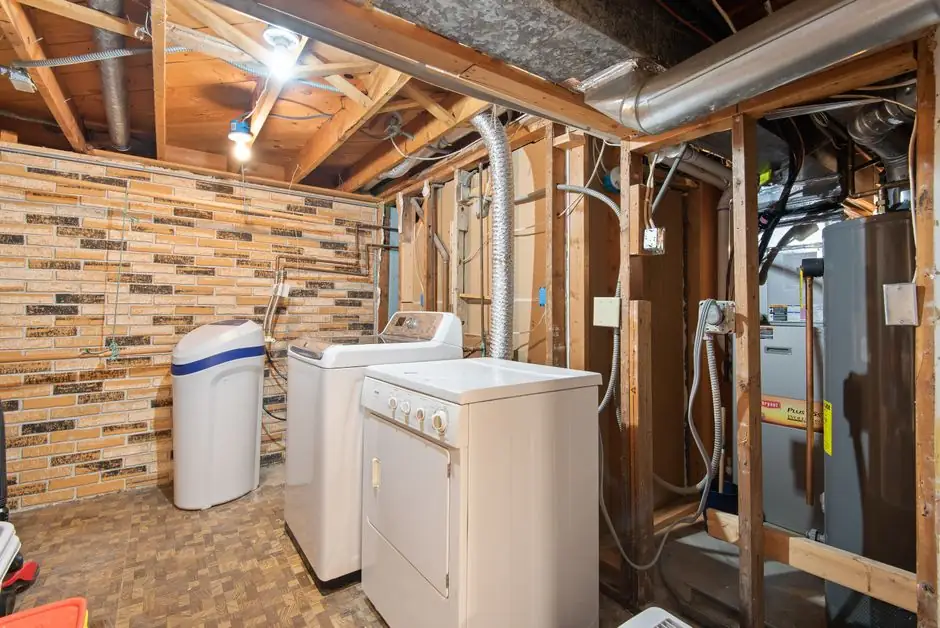
Water heaters are essential for daily comfort, providing hot water for showers, cleaning, and cooking. However, they can encounter a variety of issues over time. This guide will help you troubleshoot common water heater problems, enabling you to identify and potentially fix these issues before they require professional intervention. We'll cover symptoms, solutions, and when to call in the experts at Water Heater Repair.
Common Symptoms of Water Heater Issues
When your water heater malfunctions, there are usually clear signs. These symptoms can range from minor inconveniences to significant disruptions in your daily routine. Here are some common issues you might encounter:
- No hot water
- Inconsistent water temperature
- Strange noises
- Water leaks
No Hot Water
One of the most frustrating problems is when your water heater fails to produce hot water. This issue can stem from several causes:
- Tripped Circuit Breaker: If you have an electric water heater, check your circuit breaker. A tripped breaker can cut power to the unit.
- Faulty Thermostat: The thermostat regulates the water temperature. If it's malfunctioning, it may not heat the water properly.
- Heating Element Failure: For electric models, a broken heating element can prevent hot water from being produced.
If you're experiencing this issue, start by checking the circuit breaker and then inspect the thermostat and heating elements. If these solutions don't work, consider reaching out to Water Heater Repair Services in Virginia for assistance.
Inconsistent Water Temperature
Another common complaint is receiving water at varying temperatures. This can be particularly annoying during showers. Possible causes include:
- Fluctuating Water Supply: If multiple appliances are using hot water simultaneously, you may notice temperature changes.
- Sediment Buildup: Over time, sediment can accumulate in the tank, affecting the heating efficiency.
- Faulty Thermostat Settings: Ensure your thermostat is set to the desired temperature; a miscalibration can lead to inconsistencies.
Regular maintenance can help avoid these issues. For thorough checks, consider our Water Heater Maintenance Services in Virginia.
Strange Noises from the Water Heater
Unusual sounds like popping, rumbling, or hissing can indicate problems within your water heater. These noises often signal:
- Mineral Buildup: Sediment can harden and cause noise as the water heats.
- Loose Parts: Components may become loose over time, leading to rattling sounds.
- Water Leaks: A leak can create pressure changes, resulting in hissing or bubbling noises.
Identifying the source of these sounds early can prevent more severe damage. If you hear persistent noises, it's wise to contact a professional for a thorough inspection.
Water Leaks
Leaks can occur at various points in your water heater system, leading to water damage and increased utility bills. Common leak sources include:
- Connections and Fittings: Loose fittings can cause minor leaks.
- Tank Corrosion: Older tanks may corrode, leading to significant leaks.
- Temperature and Pressure Relief Valve: If this valve is malfunctioning, it can leak water.
Addressing leaks promptly is crucial. If you notice water pooling around your heater, it's time to call for Emergency Water Heater Services in Virginia.
Common Mistakes to Avoid
When troubleshooting your water heater, avoid these common mistakes:
- Ignoring Warning Signs: Don't overlook unusual noises or temperature fluctuations.
- DIY Repairs Without Knowledge: Attempting repairs without proper knowledge can lead to further damage.
- Neglecting Regular Maintenance: Skipping routine checks can lead to more significant problems down the line.
When to Call a Professional
Some water heater issues require professional expertise. If you encounter:
- Persistent leaks
- Severe temperature inconsistencies
- Unusual noises that don't resolve
It's best to contact the experts at Water Heater Repair. Our trained technicians can diagnose and fix issues efficiently.
Frequently Asked Questions
- How often should I flush my water heater? It's recommended to flush your water heater at least once a year to remove sediment buildup.
- What temperature should my water heater be set to? The ideal temperature is typically around 120°F to prevent scalding and save energy.
- Can I repair my water heater myself? While minor issues can be addressed, it's best to consult a professional for complex repairs.
- How long does a water heater last? Most water heaters last between 8 to 12 years, depending on maintenance and usage.